

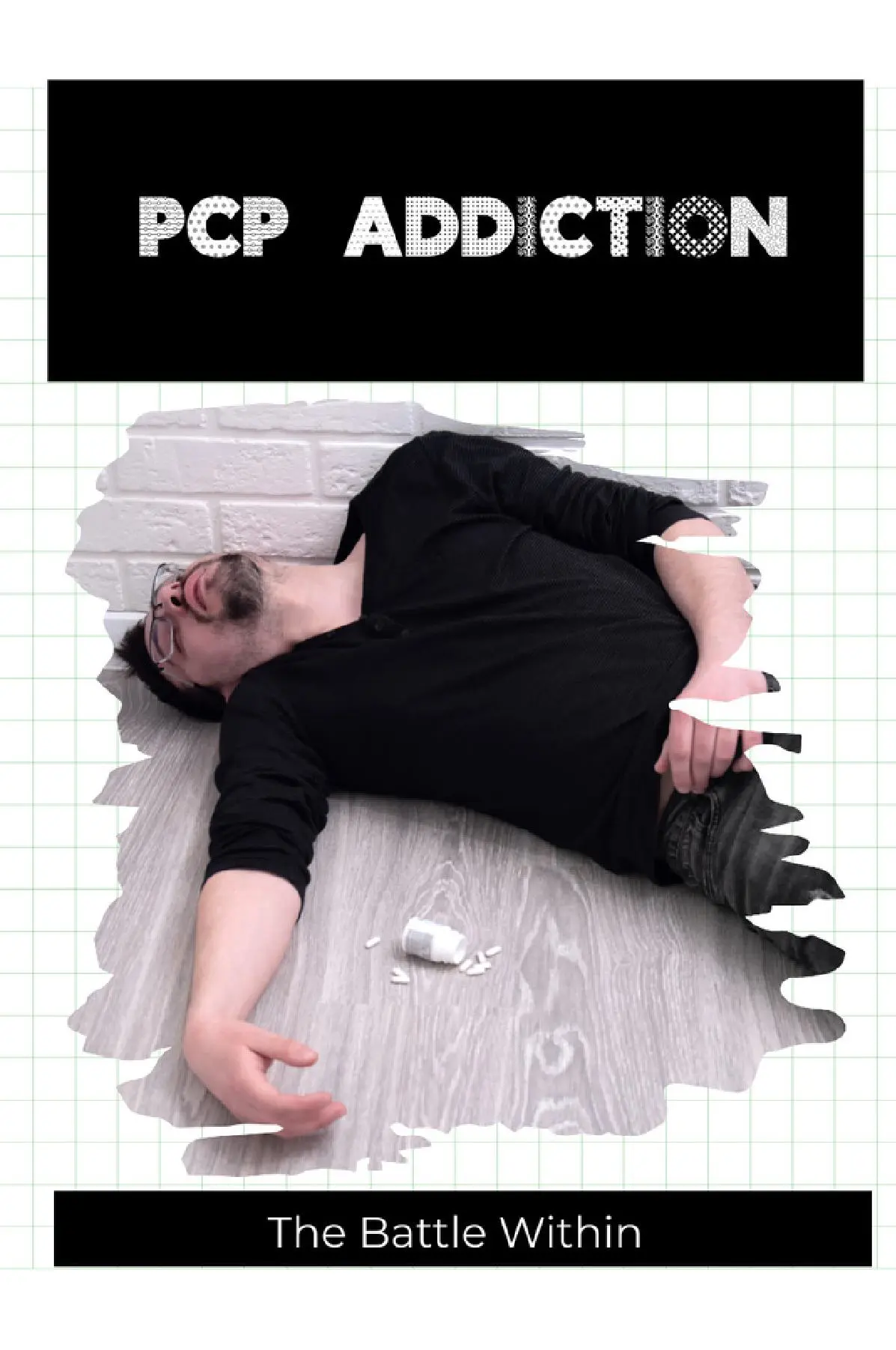
Description
PCP addiction often begins with experimentation, typically driven by curiosity or peer pressure. Users may initially seek the drug for its hallucinogenic effects, which can include distorted perceptions of reality and a sense of detachment from one’s body. These experiences, however, come with a high cost. Even in small doses, PCP can cause severe psychological and physiological reactions, making it one of the most dangerous substances on the illicit drug market.
The effects of PCP on the brain are profound. As a dissociative drug, PCP disrupts the normal functioning of the neurotransmitter glutamate, which plays a crucial role in cognition, emotion, and pain perception. This disruption can lead to intense and often unpredictable mood swings, paranoia, and aggression. Long-term use of PCP can result in memory loss, cognitive impairment, and persistent mental health disorders.
Physical health is also severely impacted by PCP addiction. The drug can cause significant harm to various bodily systems, including the cardiovascular and respiratory systems. Users may experience high blood pressure, irregular heartbeats, and respiratory distress. Additionally, PCP can cause severe muscle contractions, leading to rhabdomyolysis, a condition in which muscle tissue breaks down and releases harmful substances into the bloodstream.
The social consequences of PCP addiction are equally devastating. Individuals struggling with addiction may engage in risky behaviors, including criminal activities, to obtain the drug. Relationships with family and friends often suffer as a result of the erratic and sometimes violent behavior associated with PCP use. The broader community also feels the impact, as addiction can lead to increased rates of crime, homelessness, and healthcare costs.
Treatment for PCP addiction is challenging due to the drug’s powerful effects on the brain and body. Detoxification is often the first step, but it must be done under medical supervision to manage the severe withdrawal symptoms that can occur. Following detox, comprehensive rehabilitation programs that include therapy, counseling, and support groups are essential for recovery. These programs help individuals address the psychological aspects of addiction and develop coping strategies to prevent relapse.
Preventing PCP addiction requires a multi-faceted approach. Education is key, with efforts focused on raising awareness about the dangers of PCP and providing accurate information about its effects. Community programs that offer support and resources for at-risk individuals can also play a crucial role in prevention. Additionally, policies aimed at reducing the availability of PCP and other illicit drugs are essential in curbing addiction rates.
Ultimately, addressing PCP addiction is a collective responsibility. By understanding the complexities of this dangerous drug and taking proactive steps to prevent and treat addiction, we can protect individuals and communities from its harmful effects. Through education, support, and comprehensive treatment, we can work towards a future free from the grip of PCP addiction.





Reviews
There are no reviews yet.