

Description
Taste the past at Mary Allott’s Table
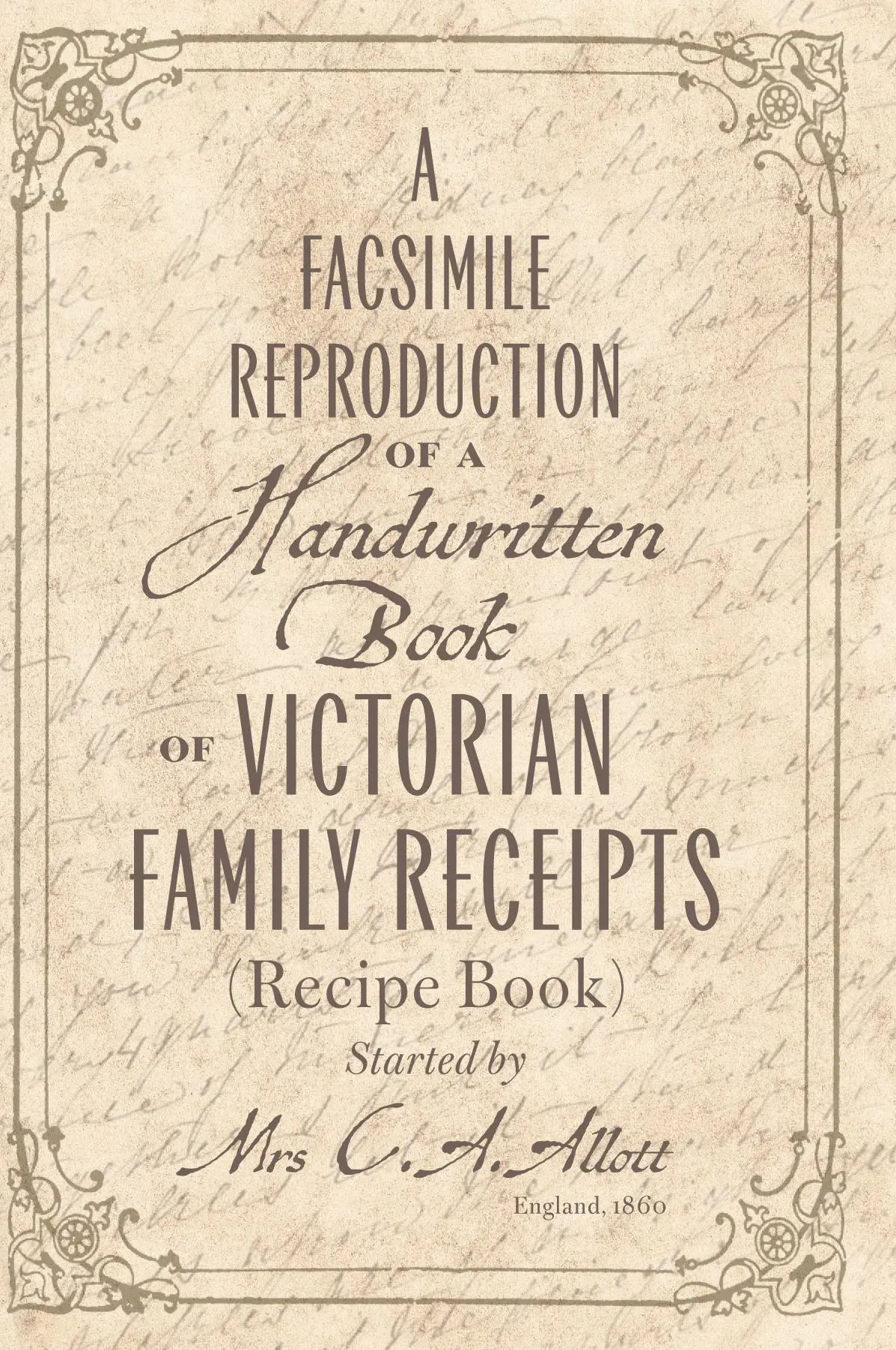
Immerse yourself in middle-class Victorian England with Mary Allott’s meticulously kept recipe book. Compiled amidst the turmoil of a life challenged by the abandonment of her spouse, this collection stands as a beacon of Mary’s inner fortitude as she expressed her creativity and dedicated herself to her family’s nourishment and well-being.
Born in 1833 in the town of Chesterfield, Derbyshire, the hardship of an unhappy marriage in Sheffield marked Mary’s life as her husband’s reckless actions threatened the stability of their home. Despite immoral conduct and desertion, Mary found purpose in the pages of her household receipts, and created a legacy for future generations.
Now, for the first time, this facsimile of a primary historical source offers a rare, unfiltered look at 19th-century recipes, inviting historians, genealogists and culinary enthusiasts to explore the flavours of the Victorian age. Through the replication of Mary’s original recipes, you can connect with the past in the most intimate way—through the ingredients and aromas that once filled Mary’s kitchen.
As we await the publication of Mary Allot’s biography, this recipe book stands as a monument to Mary’s enduring spirit, a celebration of her newfound independence, and her late-life romance with James Parker.

Reviews
There are no reviews yet.