

Description
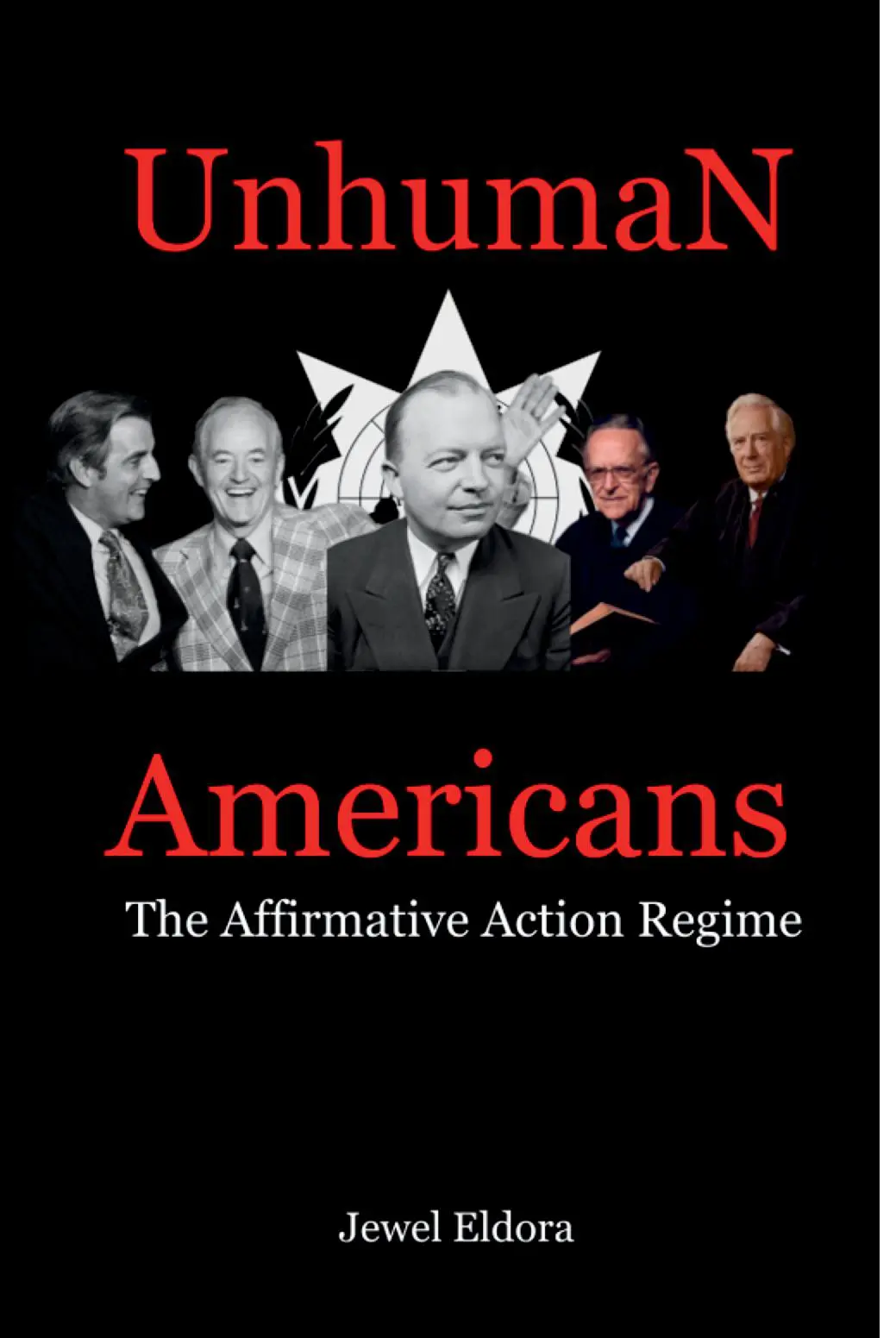
Five Minnesotans and the Affirmative Action Regime
A governor, two justices, and two vice presidents, decade by decade, 1907 to 2026
Two boys grew up on St. Paul’s Eastside and met as small children. ‘I knew Warren Burger for over eighty years,’ Harry Blackmun wrote. Both reached the Supreme Court. One wrote Roe v. Wade; both decided with it. On Affirmative Action Burger wrote Griggs. Blackmun wrote, ‘In order to get beyond racism, we must first take account of race.’ Burger swore Blackmun in as a justice in 1970. From 1977 until Burger retired, the two boys from Dayton’s Bluff reached the same judgment in only one of the eight cases this book follows.
Harold Stassen, born on a Dakota County farm, was governor at thirty-one. He signed a Civil Service Act that barred discrimination ‘against or in favor of’ an applicant for his politics or religion. He also signed a contract clause against discrimination ‘by reason of race, creed, or color.’
Hubert Humphrey, born in Wallace, South Dakota, became mayor of Minneapolis. Then, as floor leader for the Civil Rights Act of 1964, he offered to eat the pages of Title VII if a senator could find a quota in it. As Vice-President, he recommended where the federal contract program should go, and Lyndon Johnson signed the order the same day. In 1972, he and Walter Mondale twice voted down limits on what federal agencies could require of employers.
Then they voted for the bill that put the States under Title VII.
This book follows all five, decade by decade, from Dayton’s Bluff in 1907 to the suit the United States filed against Minnesota on January 14, 2026. Every dated statement carries a note, with primary sources first. The same words served both sides: in Weber, the majority and the dissent both quoted Humphrey. The complaint names none of the five. Yet it quotes the dissent Burger joined, and it names ‘the permissive Weber/Johnson framework,’ two decisions Blackmun joined.
The book does not say the five acted together, and it does not say the State’s program is unlawful. It shows where each man stood at every turn. It offers two readings, each hard on both parties.
And it leaves the verdict to a court of three judges and a hearing set for March 16, 2027.





Reviews
There are no reviews yet.