

Description
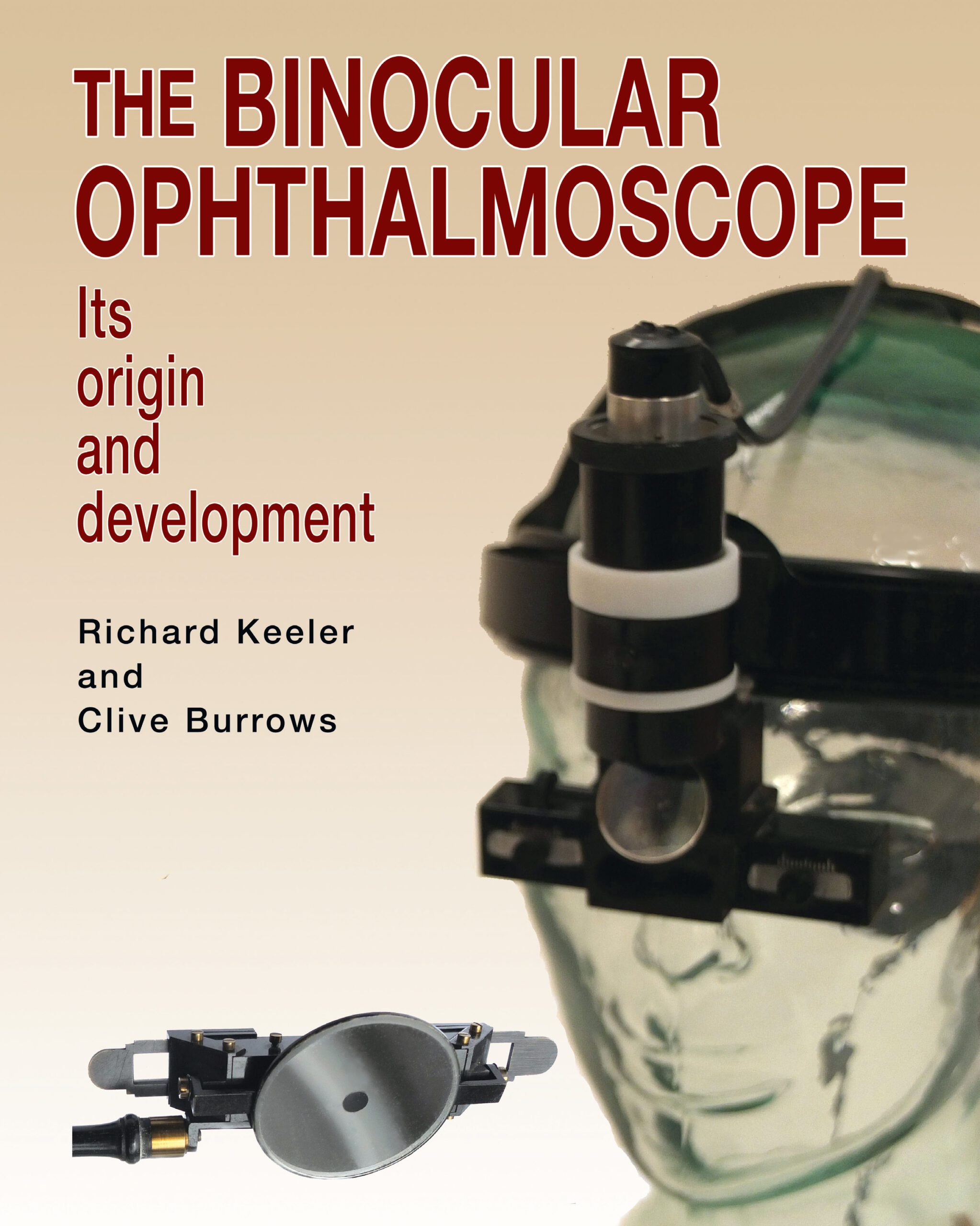
The Binocular Ophthalmoscope is a chronological history of an instrument used by ophthalmologists and optometrists to examine binocularly the fundus, or back of the eye, of humans and animals. Following the invention of the ophthalmoscope in 1851 by Herman von Helmholtz there was a desire by some ophthalmologists to have a binocular form of this instrument. This was achieved in 1861 by the French ophthalmologist Marc Felix Giraud-Teulon. The instrument was difficult to use and very few were produced. At the turn of the 20th century table-mounted instruments made by Carl Zeiss Jena were introduced. The designer was Allvar Gullstrand, a Nobel Prize laureate, who incorporated a new feature of reflex-free optics. The instruments were big and expensive. Nearly 100 years after Giraud-Teulon’s invention of the binocular ophthalmoscope another invention took place that transformed the examination of the eye binocularly. Charles Schepens, a young Belgian ophthalmologist, had the brilliant idea of combining the illumination with the binocular viewing box and attaching this to a headband. The outcome was the first head-worn binocular ophthalmoscope. Not only was the instrument used for the diagnosis of retinal conditions but it could be used during retinal surgery. Keeler Ltd, the company that both authors worked for during their business careers, produced their version in 1959 and subsequently became world leaders for this instrument. They still hold this position after 60 years. The book explores the many variations of the binocular ophthalmoscope, some bizarre, some successful but most less so.






Reviews
There are no reviews yet.