

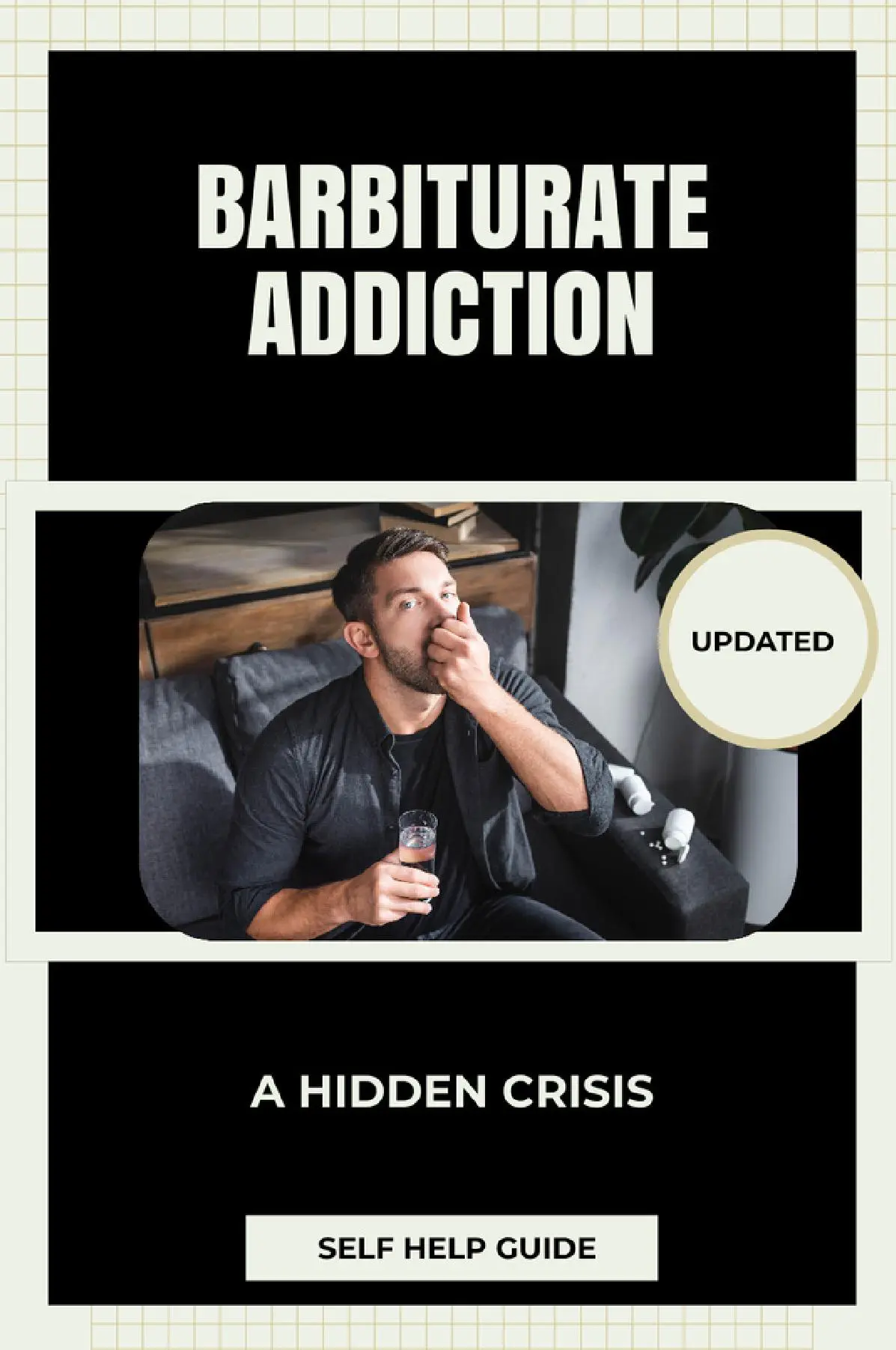
Description
Barbiturates work by depressing the central nervous system, producing effects ranging from mild sedation to deep anesthesia. While they can be effective for medical purposes, their potential for abuse and addiction is troubling. Users often develop tolerance quickly, requiring progressively larger doses to achieve the same effects. This can lead to physical dependence and, ultimately, addiction. The withdrawal symptoms from barbiturates can be severe and potentially life-threatening, including seizures, hallucinations, and delirium.
The rise of barbiturate addiction can be attributed to several factors. First, their relative affordability makes them accessible to a broad range of individuals. Second, the euphoric and relaxing effects that users experience can be highly reinforcing. Finally, the ease with which they can be obtained through illegal channels exacerbates the problem. This combination of factors creates a perfect storm for addiction to develop and persist.
A significant issue with barbiturate addiction is the way it often goes unnoticed. Many users may start by taking medication prescribed for legitimate medical conditions, gradually increasing their dosage without realizing the danger. Others might obtain barbiturates illicitly, believing they are less harmful than other substances. The subtle onset of dependence can mask the severity of the problem until it reaches a critical stage.
Treatment for barbiturate addiction typically involves a multifaceted approach. Medical detoxification is essential to manage the withdrawal symptoms safely. This process should be closely monitored by healthcare professionals to prevent complications. Following detox, individuals benefit from comprehensive addiction treatment programs that address the underlying psychological and behavioral aspects of their addiction. Cognitive-behavioral therapy, support groups, and medication-assisted treatment can all play crucial roles in recovery.
Despite the challenges, recovery from barbiturate addiction is possible. Many individuals have successfully overcome their dependence and rebuilt their lives. The key to achieving and maintaining recovery is long-term support and ongoing treatment. This often includes continued participation in support groups, regular therapy sessions, and, in some cases, medication to prevent relapse. By remaining vigilant and committed to their recovery, individuals can lead healthy, fulfilling lives free from barbiturate addiction.
Public awareness and education about the dangers of barbiturate addiction are also vital in combating this issue. Healthcare providers must be cautious when prescribing these medications, ensuring they are only used when absolutely necessary and for the shortest duration possible. Patients should be informed about the risks associated with barbiturates and be monitored for signs of misuse.
Barbiturate addiction is a serious and complex issue that requires a comprehensive and multifaceted approach. By increasing awareness, improving treatment options, and providing ongoing support for those affected, we can help mitigate the impact of this hidden menace and support individuals in their journey to recovery. The fight against barbiturate addiction is far from over, but with concerted efforts from healthcare professionals, policymakers, and the public, we can make significant strides in addressing this pervasive problem.





Reviews
There are no reviews yet.