

Description
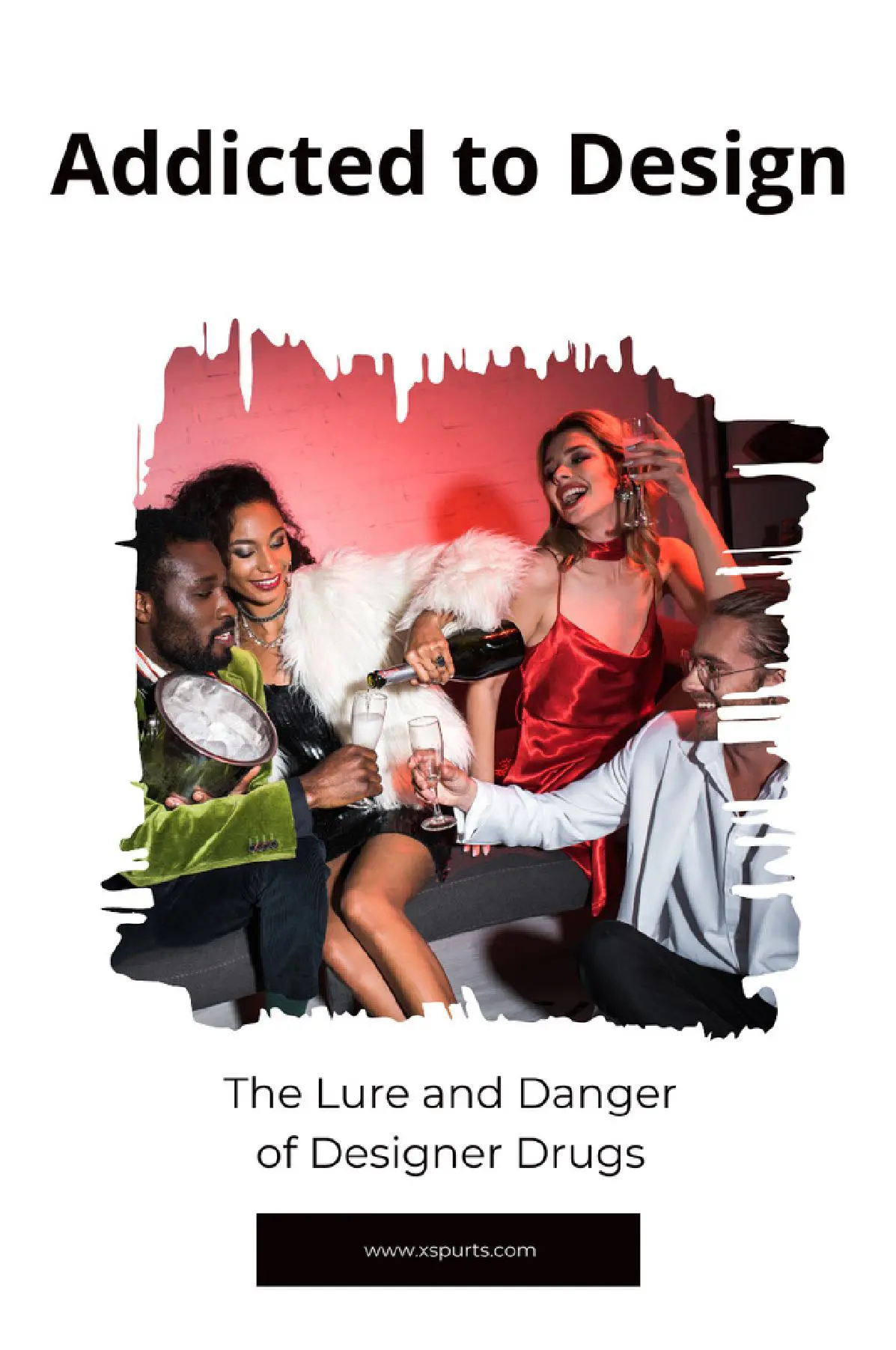
This book examines what makes designer drugs particularly concerning. Unlike traditional substances, many designer drugs are created or modified to produce psychoactive effects while attempting to remain outside existing drug laws or testing systems. Their constantly changing chemical structures can make their effects difficult to predict, leaving users vulnerable to unexpected reactions and serious consequences.
Understanding the attraction is an important part of understanding addiction. Curiosity, peer influence, the desire for new experiences, stress, and the belief that a substance is safer because it is marketed as legal or experimental can all contribute to experimentation. The book looks beyond judgment and explores the psychological and social factors that can turn occasional use into compulsive behavior.
A central focus is the unpredictability of these substances. Two products that appear similar may contain very different chemicals or concentrations, while labels may provide incomplete or misleading information. This uncertainty can increase the potential for poisoning, dangerous interactions, impaired judgment, and other health consequences, particularly when users do not know exactly what they have taken.
Addicted to Design also explores the progression from experimentation to dependence. What begins as curiosity or recreational use can develop into cravings, tolerance, compulsive seeking, and difficulty stopping despite negative consequences. Recognizing warning signs early can provide an important opportunity for individuals, families, educators, and communities to respond before substance use causes deeper disruption.
Recovery is another essential part of the discussion. Addiction is not simply a failure of willpower; it can involve powerful behavioral, psychological, and biological processes. Effective recovery may include professional assessment, counseling, peer support, healthy routines, treatment for co-occurring challenges, and a dependable support network. Different people may require different approaches, and seeking qualified help can be a crucial step toward change.
The book also considers the wider impact of designer drug use. Addiction can affect relationships, education, employment, finances, emotional well-being, and personal safety. Families and communities may struggle to understand rapidly changing substances and terminology, making accurate education and open communication especially valuable.
Addicted to Design: The Lure and Danger of Designer Drugs is an exploration of the forces that make emerging psychoactive substances attractive—and the realities that can follow. By separating novelty from safety and curiosity from informed decision-making, this book encourages greater awareness, earlier recognition of problematic use, and a compassionate understanding of recovery. It is a timely resource for anyone seeking to understand the evolving landscape of designer drugs and the human consequences of addiction.




Reviews
There are no reviews yet.