

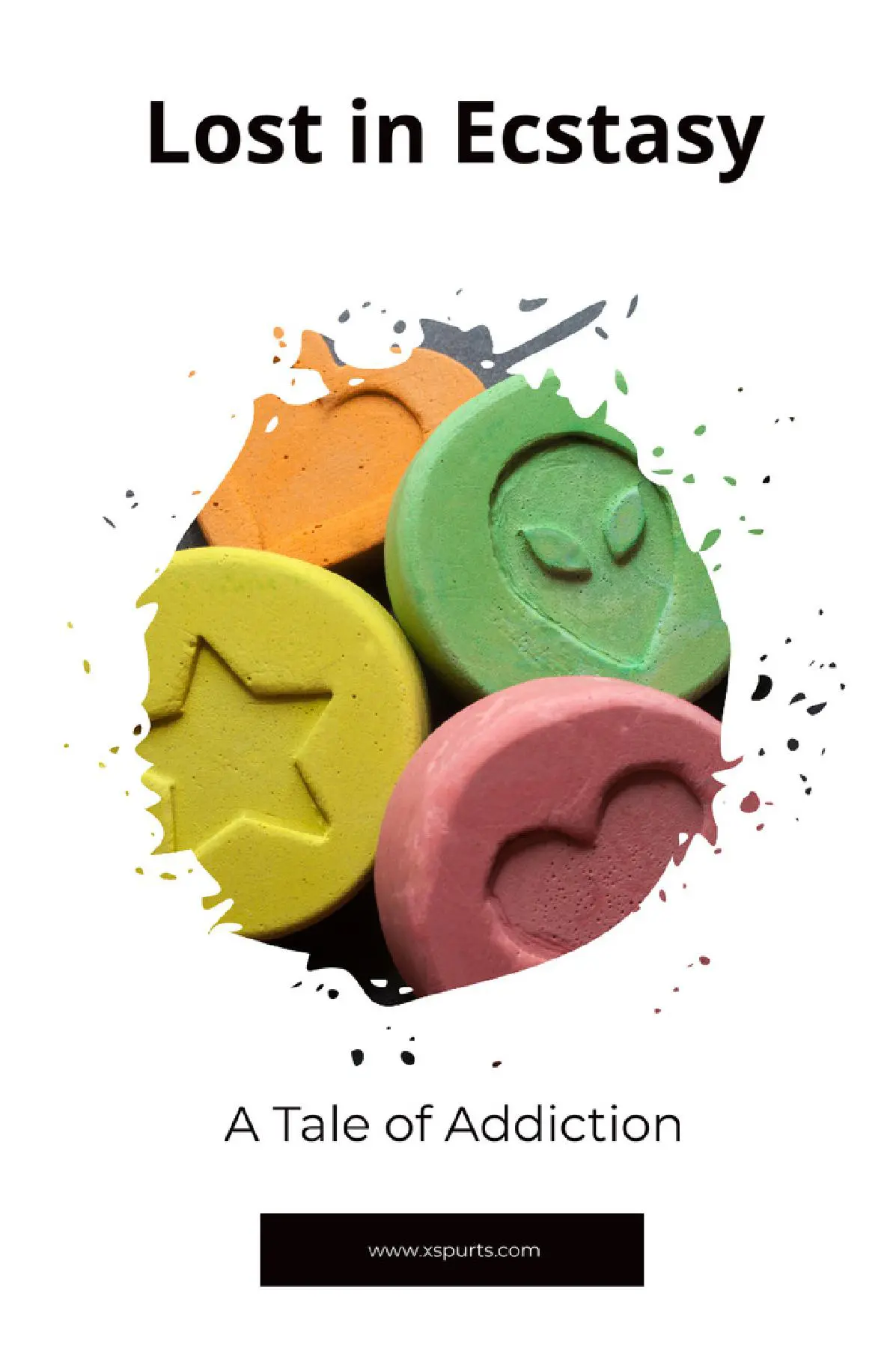
Description
Origins of Ecstasy Ecstasy was first synthesized in the early 20th century, but it wasn’t until the 1980s that it gained popularity as a recreational drug. Initially used in psychotherapy to enhance communication and emotional openness, Ecstasy soon found its way into the nightlife scene. The drug’s ability to induce feelings of euphoria, increased energy, and emotional closeness made it a favorite among partygoers. However, the widespread use of Ecstasy has led to concerns about its addictive potential and health risks.
Symptoms and Indicators Recognizing Ecstasy addiction involves identifying a range of behavioral, emotional, and physical symptoms. Individuals may exhibit signs of euphoria, increased sociability, and heightened sensory perception while under the influence of the drug. However, the comedown from Ecstasy can lead to feelings of depression, anxiety, and irritability. Physical symptoms may include dehydration, hyperthermia, and muscle tension. Over time, repeated use of Ecstasy can lead to tolerance, requiring higher doses to achieve the same effects.
Psychological Impacts The psychological effects of Ecstasy addiction are profound and often long-lasting. Users may experience intense cravings for the drug, leading to compulsive use despite negative consequences. The altered brain chemistry caused by Ecstasy can result in cognitive impairments, memory loss, and difficulty concentrating. Additionally, the social stigma associated with drug addiction can exacerbate feelings of isolation and hopelessness, making it difficult for individuals to seek help.
Impact on Health Ecstasy addiction poses significant health risks, both in the short and long term. The drug’s ability to increase body temperature and cause dehydration can lead to dangerous conditions such as heatstroke and kidney failure. Chronic use of Ecstasy can result in long-term damage to the brain, liver, and cardiovascular system. The lack of regulation and quality control in the production of Ecstasy further amplifies these risks, as users may unknowingly ingest harmful substances mixed with the drug.
Legal Consequences The legal landscape surrounding Ecstasy is complex and constantly evolving. In many countries, Ecstasy is classified as a controlled substance, making its possession, distribution, and use illegal. Legal penalties for Ecstasy-related offenses can include fines, imprisonment, and a criminal record. The legal ambiguity surrounding Ecstasy also makes it challenging for users to understand the potential consequences of their actions.
Strategies for Overcoming Addiction Addressing Ecstasy addiction requires a comprehensive approach that includes prevention, treatment, and support. Education and awareness campaigns can help individuals understand the risks associated with the drug and discourage its use. Treatment options may include detoxification, counseling, and behavioral therapies to address the underlying causes of addiction. Support from family, friends, and community resources is essential in helping individuals recover and maintain sobriety.
Conclusion Ecstasy addiction is a pressing issue that demands attention and action. The allure of the drug, coupled with its significant risks, makes it imperative to address this problem through education, prevention, and treatment. By understanding the nature of Ecstasy addiction and implementing effective strategies, we can help individuals overcome their dependency and lead healthier, more fulfilling lives.





Reviews
There are no reviews yet.