

Description
The book begins by examining the historical significance of rods and whips as instruments of control. In ancient civilizations, these tools were symbols of authority, often used to enforce discipline. Over time, the use of such implements spread through different cultures, becoming more associated with power dynamics, punishment, and social hierarchy. This historical context provides the foundation for understanding why these objects have come to symbolize fear and anxiety in many parts of the world.
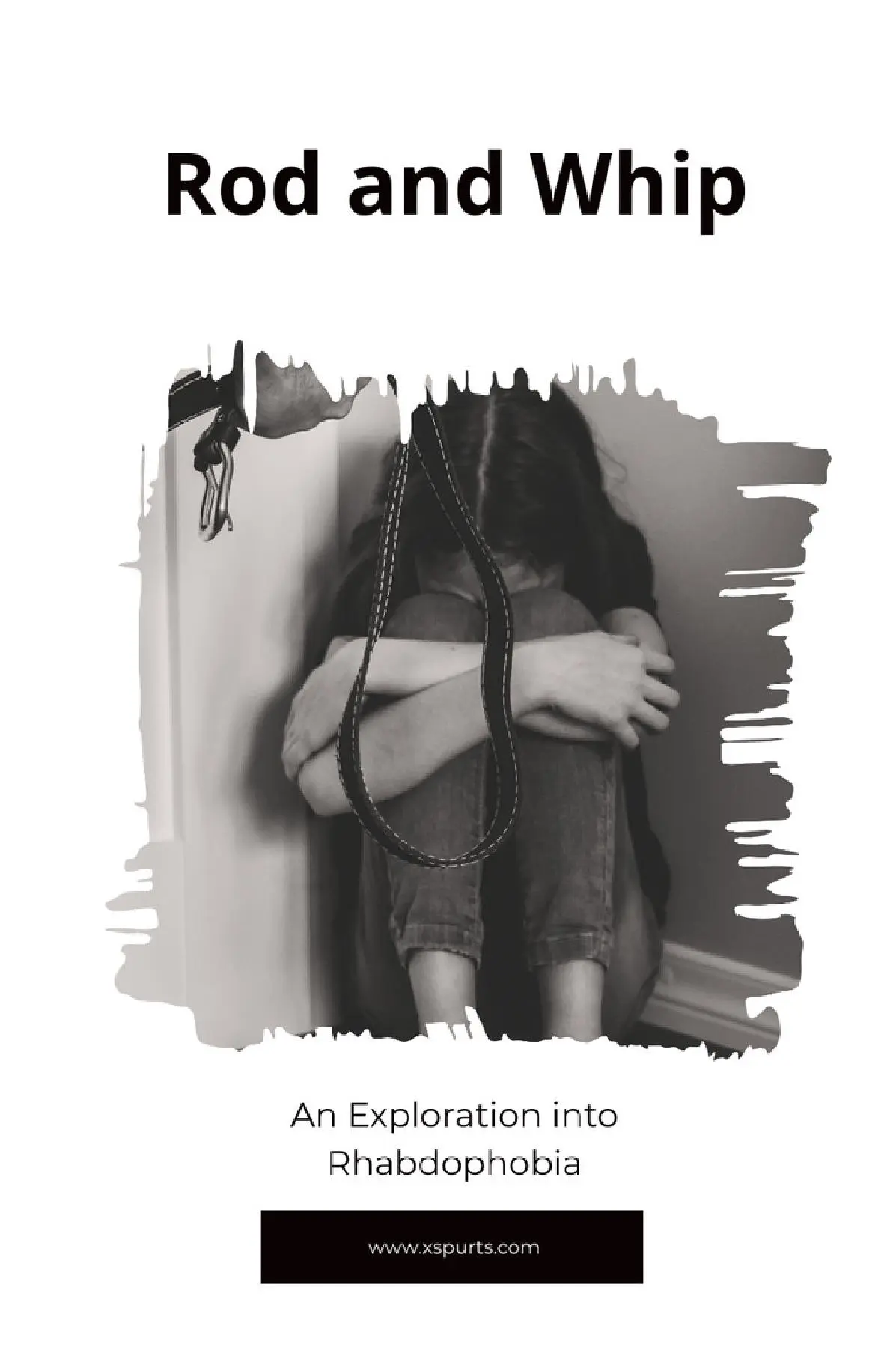
Moving into the psychological realm, Rod and Whip investigates how rhabdophobia manifests in individuals. Through case studies, the book uncovers the deep-rooted triggers that cause people to experience intense fear when confronted with these objects. The book explores how such phobias can stem from past trauma, cultural conditioning, or the perception of whips and rods as instruments of violence. It emphasizes the emotional and psychological weight carried by these objects, regardless of their actual usage.
The narrative also considers the symbolic nature of rods and whips in folklore, literature, and religion. In many stories, these items are associated with power, punishment, and sometimes even divine retribution. The book examines the recurring themes of control and submission that arise in tales involving these objects and how these themes have been passed down through generations. It highlights how cultural representations have influenced collective fears and shaped societal attitudes toward authority and punishment.
In addition to exploring personal fear, Rod and Whip also investigates how rhabdophobia has affected entire communities. The book looks at how different societies have responded to the fear of punishment, discipline, and authority, from the abolition of corporal punishment to the ongoing debates over the ethics of control in education, law enforcement, and the family. The fear of whips and rods, in many ways, mirrors broader societal struggles with authority and autonomy.
The book also examines the role of media and popular culture in amplifying the fear of these objects. From films to books, the representation of whips and rods in popular media often links them to violence, domination, or torture. The book discusses how these portrayals perpetuate rhabdophobia and feed into the public consciousness, reinforcing the association between these objects and suffering or loss of control.
In the latter chapters, Rod and Whip offers insights into therapeutic approaches to overcoming rhabdophobia. It explores various psychological treatments, including exposure therapy and cognitive behavioral therapy, that can help individuals confront their fear and reshape their perceptions. The book emphasizes the importance of understanding the root causes of such phobias and provides tools for healing and recovery.
Concluding with a reflection on the ongoing cultural relevance of rhabdophobia, Rod and Whip challenges readers to reconsider the way society views authority, punishment, and control. The book invites readers to critically engage with their own fears and biases, encouraging a deeper understanding of how these ancient symbols of power continue to influence modern lives, shaping both personal and collective experiences of fear.






Reviews
There are no reviews yet.