

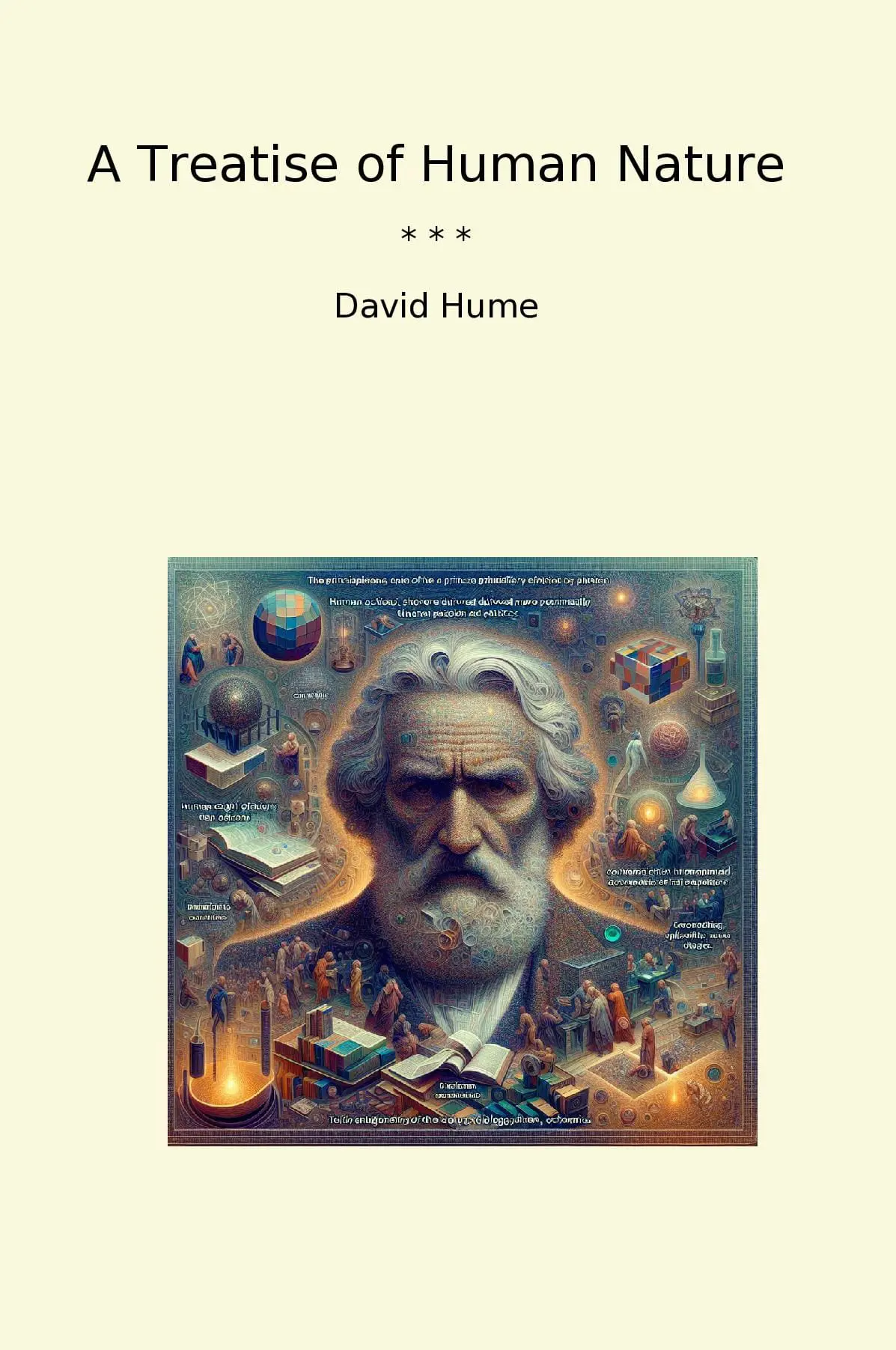
Description
A Treatise of Human Nature, written by David Hume and published in 1739, is a seminal work in philosophy that explores the nature of human understanding and emotion. Divided into three books, Hume examines the foundations of human knowledge, the workings of the mind, and the influences of morality. He argues that human experience is grounded in empirical observation and that reason is often subordinate to passion. Hume challenges the rationalist views of his predecessors, proposing that our beliefs stem more from sentiment than logical deduction. His inquiry into causation, personal identity, and skepticism profoundly impacts fields ranging from epistemology to ethics. The treatise, though initially met with mixed reviews, has become a cornerstone of modern philosophy, influencing thinkers such as Immanuel Kant and beyond. Hume’s approachable prose and vivid examples make complex ideas accessible, ensuring the treatise’s enduring relevance as a critical exploration of what it means to be human.





Reviews
There are no reviews yet.